Journal guide
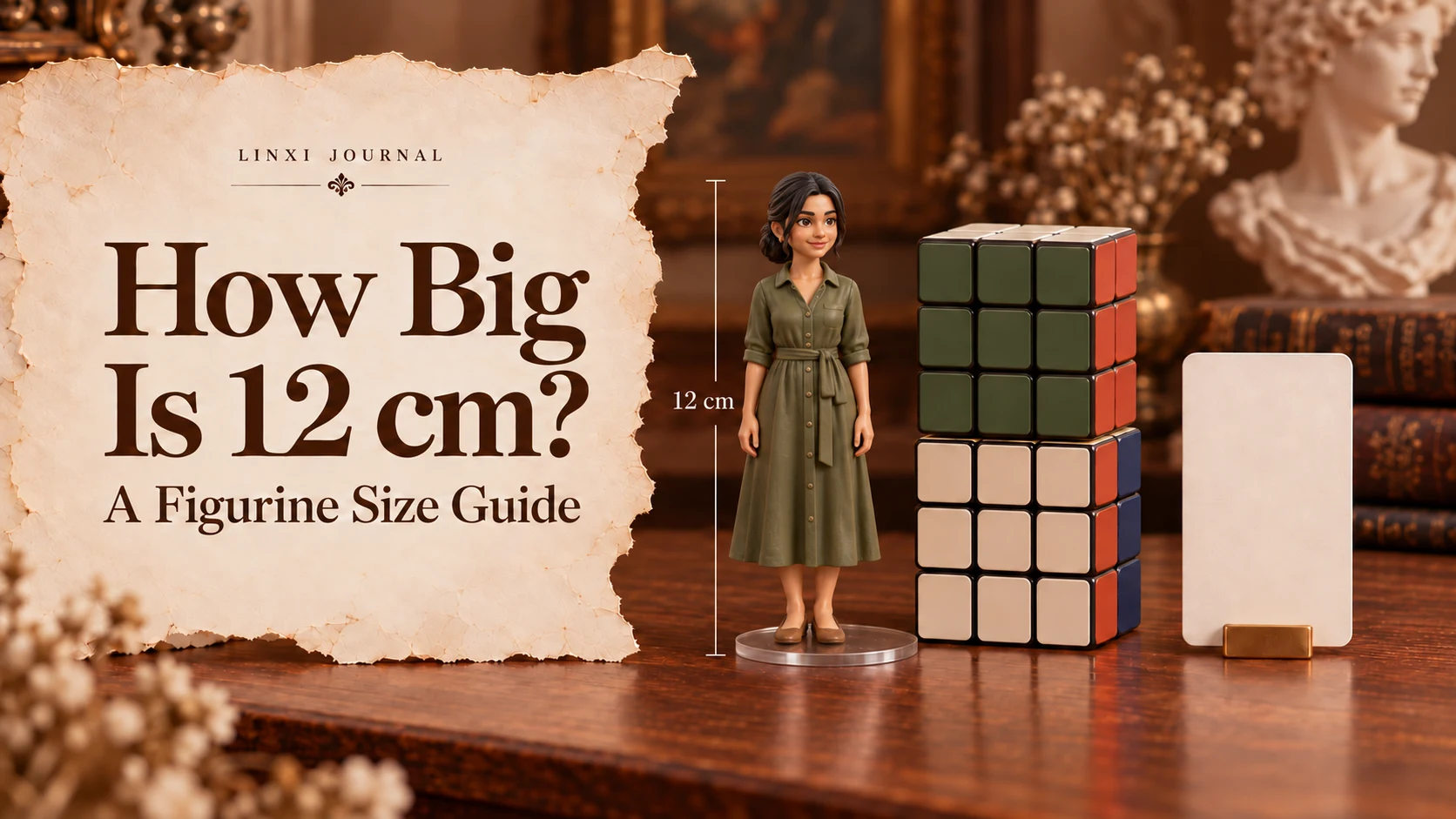
How big will a custom 12 cm figurine look on your desk? Everyday objects, such as a bank card or a Rubik’s Cube, can help you picture its size. From there, you can check its height, footprint, and the space it needs for display.
This guide helps you translate an on-screen preview into real-world dimensions that are easier to judge. For reference, 12 cm is approximately 4.7 inches.
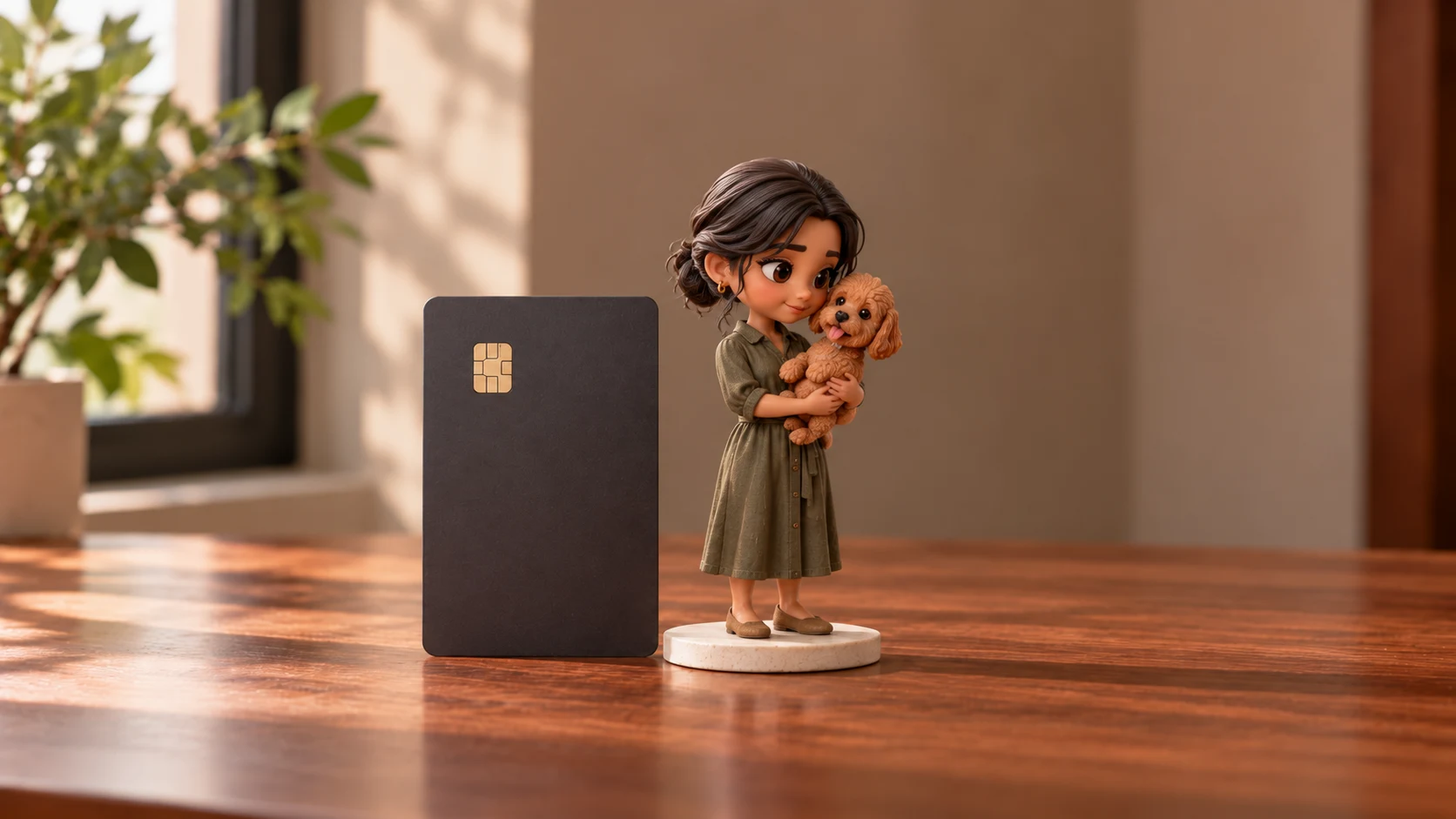
Stand a standard bank card upright on a desk, with one of its short edges resting on the surface. Its height in this position is approximately 8.56 cm. A 12 cm figurine is about 3.4 cm taller—roughly 1.4 times the card’s height.
For a more accurate sense of scale, use a ruler to draw a 12 cm line on a piece of paper. Hold the paper upright with the bottom of the line level with the desktop. This gives you a clearer idea of how tall a 12 cm figurine will be.
Look at the line from your usual seated position, then move closer and look again. Product previews can easily appear larger on a screen. This simple check helps you decide whether the figurine’s actual height matches what you have in mind.
When comparing the paper with another object, keep their bottoms on the same level and place them side by side. If one sits farther back, perspective can make the size comparison misleading. If you take a reference photo, keep the objects close together so the comparison remains useful.
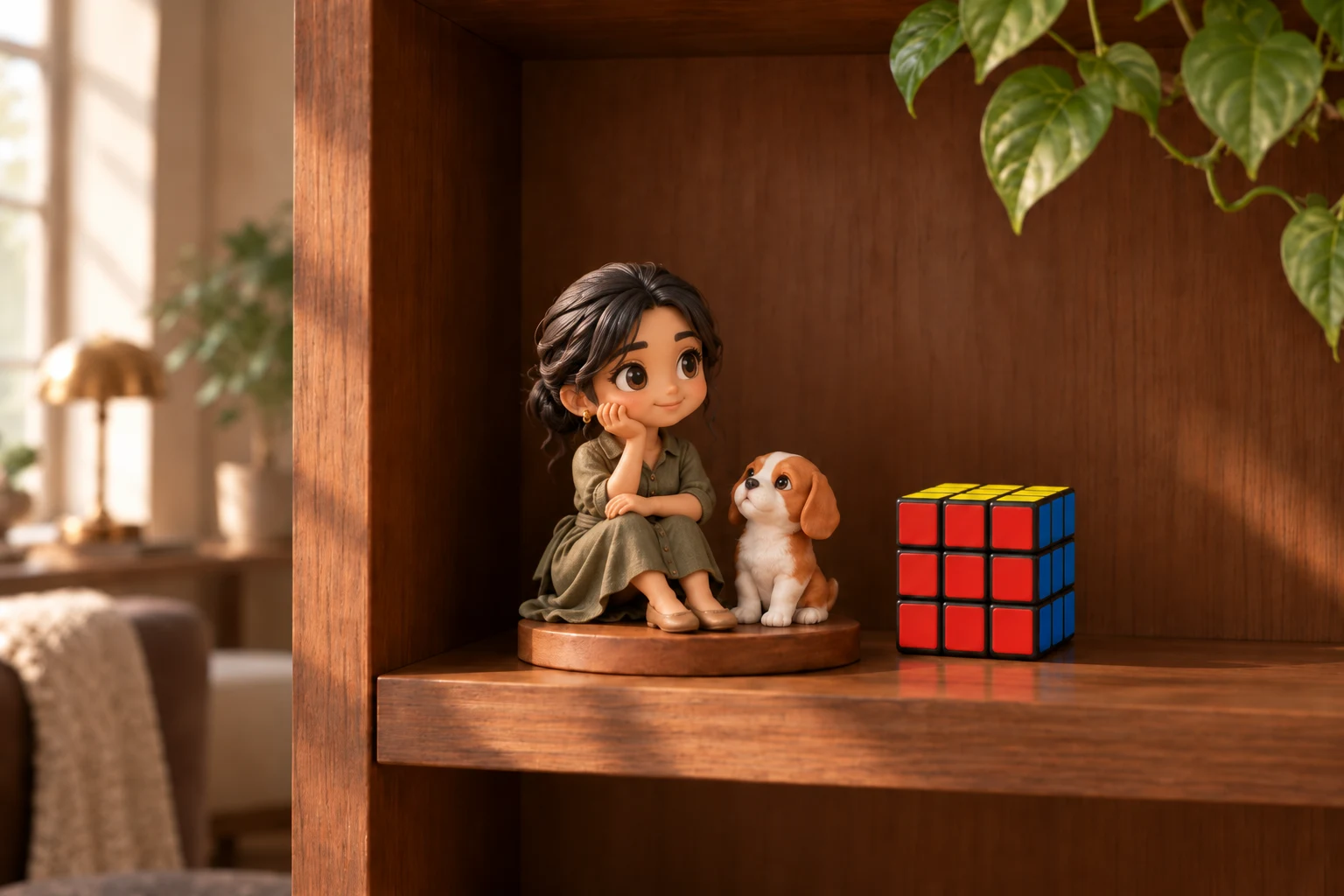
If you have two standard 3×3 Rubik’s Cubes measuring about 5.7 cm each, stack them on top of each other. Together, they stand approximately 11.4 cm tall—close to the height of a 12 cm figurine.
However, a figurine is not a regular block like a cube. Even when their heights are similar, their widths and depths may differ. After using the cubes to estimate height, check how much surface space the figurine will need.
To find out whether a custom figurine made from your photo will fit on a bookshelf, check these three measurements:
· Width: the distance across its widest point, from left to right.
· Depth: the distance from its frontmost point to its rearmost point.
· Height: the distance from the surface it rests on to its highest point.
The pose, outstretched arms, or shape of the clothing can all affect the space it occupies.
For example, a shelf opening that is 15 cm tall does not automatically accommodate a 12 cm figurine. The figurine’s width, depth, or base may still prevent it from fitting. If you plan to use a display case, account for the case’s external dimensions as well, and leave enough room to put it in place and remove it comfortably.
Once you have the width and depth measurements, draw a rectangle of approximately that size on paper. Place it where you want to display the figurine to see whether it crowds nearby objects.
This rectangle is only a rough guide to the space required, not the figurine’s actual outline. Even if the base fits, check whether extended hands, headpieces, or other projecting details could touch the cabinet or nearby books.
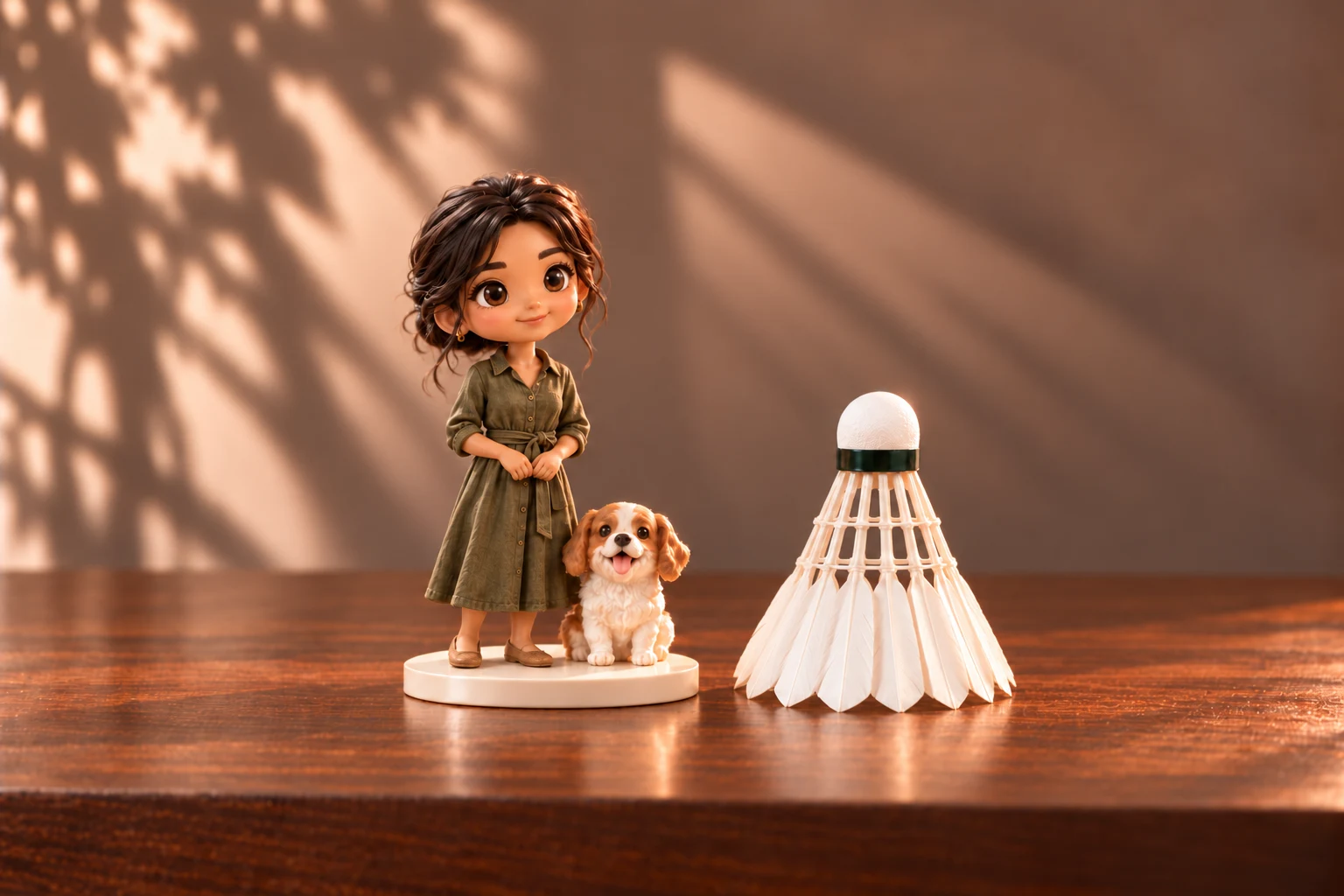
Zooming in on a website’s 3D model preview helps you inspect facial expressions and clothing details. It does not tell you how large the finished figurine will look on your desk.
When a photo is turned into a 3D figurine, the preview is primarily a way to review the design. To understand its actual height, use a ruler or compare it with familiar objects, as described above.
Even when both are labeled 12 cm tall, a realistic figurine and a chibi-style figurine may have different head and body proportions. After examining the enlarged facial details, zoom out to view the complete model. Notice how much of the overall figurine is taken up by the expression, clothing, accessories, and other details that matter to you.
Before placing your order, ask customer support:
“Where does the 12 cm height measurement start and end? Does it include the base? What are the maximum width and depth? Do you have photos of a finished figurine in a similar pose and the same size?”
When reviewing photos of finished products, look at both full views and close-ups. Full views help you judge overall size and proportions, while close-ups show the details.
A close-up of the face alone makes it difficult to tell how much of the complete figurine it occupies. Photos that include a familiar object, such as a bank card or a Rubik’s Cube, make the size easier to judge.